
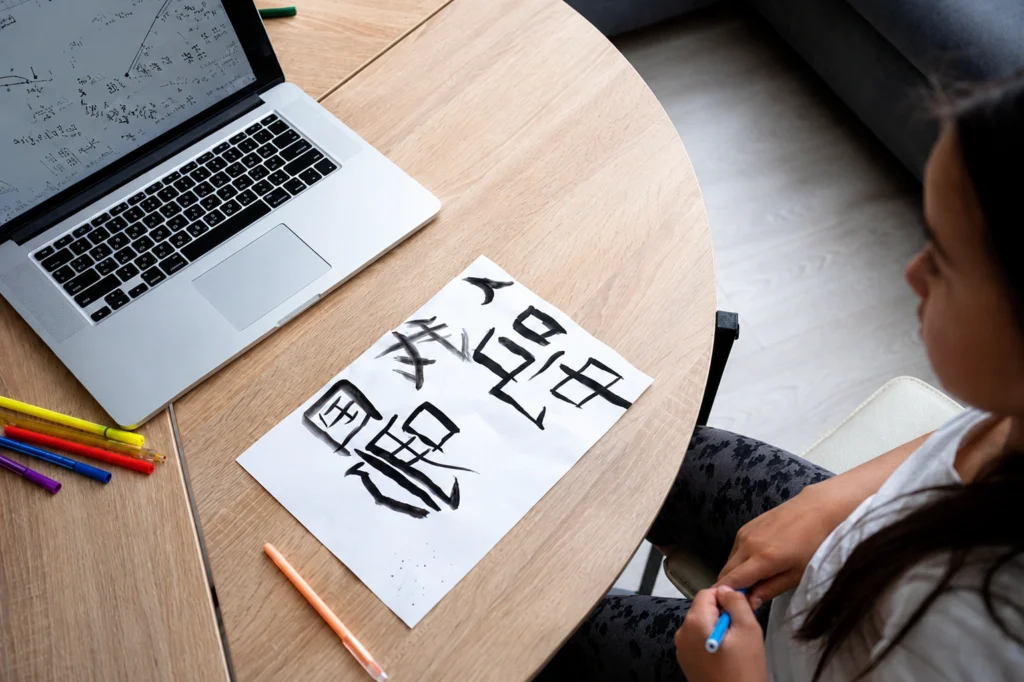
Research in 2026 on large language model translation shows major improvements in accuracy, fluency, and context handling. Businesses now use advanced AI systems for Japanese translation across marketing, technical, and operational content. GPT-based models and similar systems produce faster output than traditional workflows and reduce translation time significantly. Quality studies also show a clear pattern.
Research in 2026 on large language model translation shows major improvements in accuracy, fluency, and context handling. Businesses now use advanced AI systems for Japanese translation across marketing, technical, and operational content. GPT-based models and similar systems produce faster output than traditional workflows and reduce translation time significantly.
Quality studies also show a clear pattern. Machine translation performs well in controlled environments but struggles in real-world business contexts where precision and cultural adaptation matter.
Professional Japanese translation services remain important because human editors still improve quality in critical areas. Companies like Ulatus provide structured review processes that help ensure translated content meets professional standards.
Findings from 2026 LLM Translation Studies
Recent studies comparing LLM outputs with human translation highlight measurable improvements in fluency and grammar. Japanese translations generated by AI systems now read more naturally compared to earlier models.
Key improvements include:
- Better sentence structure handling
- Improved context awareness
- Reduced grammatical errors
- Faster processing of large documents
These improvements make AI useful for initial drafts and high-volume translation tasks.
Where LLM Translation Performs Well
LLM systems perform well in several content categories.
Internal Business Communication
Emails, internal reports, and operational updates often translate effectively using AI systems. These materials usually follow simple structures and do not require deep cultural adaptation.
Technical Documentation
Structured technical content benefits from AI consistency. Product specifications, manuals, and system descriptions often translate with reasonable accuracy.
Knowledge Base Content
Support articles and FAQ content often work well with LLM translation because language is repetitive and structured.
In these areas, AI reduces workload and increases speed.
Where Human Editing Still Delivers Value
Despite improvements, human expertise remains essential in many scenarios.
Marketing Content
Marketing language depends on tone and emotional impact. AI systems often fail to capture brand personality accurately in Japanese.
Human editors adjust:
- Tone consistency
- Cultural relevance
- Brand voice alignment
- Customer engagement style
Legal and Compliance Content
Legal documents require absolute accuracy. Even small translation errors can change meaning and create risk.
Human review ensures:
- Terminology precision
- Legal consistency
- Correct interpretation of clauses
Customer-Facing Communication
Websites, product pages, and service descriptions represent a company publicly. Errors in these materials affect trust. For more: Ka Ho Cho: Biography, Life, and Connection to Redd Foxx
Human editors improve:
- Readability
- Clarity
- Cultural alignment
- Professional tone
Why Japanese Translation Remains Challenging
Japanese language structure creates challenges for machine translation systems.
Key difficulties include:
- Context-dependent meaning
- Honorific language levels
- Industry-specific terminology
- Sentence flexibility
- Implicit meaning in communication
These factors require interpretation beyond literal translation.
LLMs continue to improve, but full cultural understanding remains limited compared to trained linguists.
The Role of Post-Editing in Modern Workflows
Post-editing has become a standard practice in enterprise translation workflows.
The process includes:
- Machine-generated draft creation
- Human linguistic review
- Terminology correction
- Cultural adaptation
- Final quality assurance
This approach reduces time while maintaining accuracy.
Organizations often rely on Japanese translation services to manage post-editing workflows effectively.
Balancing AI Speed and Human Accuracy
Businesses now aim to balance automation with human expertise.
AI provides speed and scalability. Human editors provide accuracy and context awareness.
Combining both approaches helps organizations:
- Reduce translation time
- Maintain quality standards
- Improve consistency
- Scale content production
- Avoid costly errors
Companies that ignore human review often face issues with readability and customer trust.
Industry Expectations in 2026
Quality expectations for Japanese translation have increased. Customers expect natural language, not literal translations.
Even minor errors can impact:
- Brand perception
- User engagement
- Conversion rates
- Customer satisfaction
As competition increases, translation quality becomes a strategic factor rather than a technical task.
Where Providers Add Value
Professional Japanese translation services support organizations by combining technology with linguistic expertise. Providers like Ulatus help manage complex workflows, ensuring content meets industry standards.
These services improve quality through structured processes and experienced linguists who understand both language and business context.
Future Outlook for LLM Translation
LLM translation will continue to improve. More businesses will adopt hybrid workflows combining AI and human expertise.
Future trends include:
- Better context handling
- Improved domain-specific models
- Enhanced cultural adaptation tools
- Smarter post-editing systems
Even with these improvements, human review will remain necessary for high-impact content.
Organizations that understand these limitations will achieve better results in global communication.Japanese translation in 2026 shows strong progress in AI capabilities, yet human expertise continues to define quality in professional content. Businesses relying on Japanese translation services benefit from combining LLM efficiency with human editing. Companies like Ulatus remain essential for ensuring accuracy, cultural relevance, and consistency in global communication strategies.





















Leave a Comment
Your email address will not be published. Required fields are marked with *