
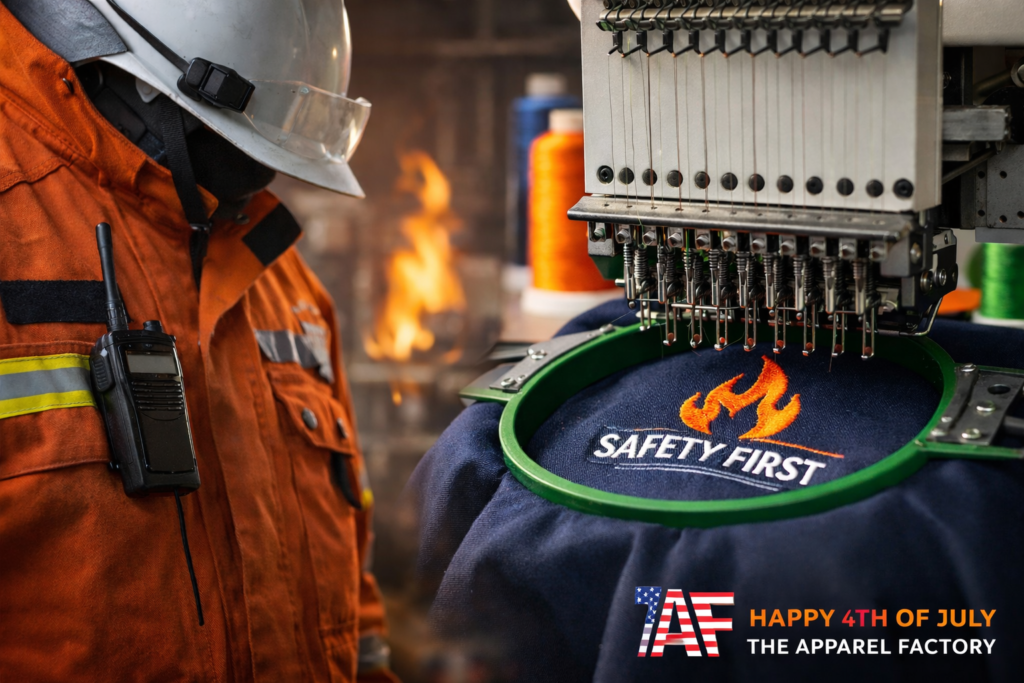
Flame-resistant clothing is not just another type of workwear. It plays a key role in protecting workers from serious hazards. Many industries now depend on FR clothing to reduce risks and improve safety standards. At the same time, Custom embroidery services help businesses add identity and branding to uniforms. When both come together, the result
Flame-resistant clothing is not just another type of workwear. It plays a key role in protecting workers from serious hazards. Many industries now depend on FR clothing to reduce risks and improve safety standards. At the same time, Custom embroidery services help businesses add identity and branding to uniforms. When both come together, the result is workwear that is safe and professional. This balance is important for companies that care about both protection and presentation.
What Is Flame-Resistant Clothing?
Custom Flame-Resistant Clothing, often called FR clothing, is designed to protect the wearer from fire-related hazards. It does not catch fire easily and can self-extinguish when the heat source is removed. This helps reduce burn injuries and gives workers extra time to react in dangerous situations.
FR clothing is widely used in industries where fire or heat risks are common. These include oil and gas, electrical utilities, and manufacturing. Workers in these fields face daily exposure to hazards such as arc flashes or flash fires. Regular clothing cannot handle such risks, which makes FR clothing essential.
Unlike normal garments, FR clothing is made using special materials or treated fabrics. These fabrics are tested to meet safety standards. As a result, they provide consistent protection during high-risk tasks.
Why FR Clothing Matters in Workplace Safety
Safety is the top priority in any industrial setting. FR clothing plays a direct role in reducing injuries and saving lives. When workers wear proper protective gear, the chances of severe burns decrease significantly.
Many workplace accidents happen due to unexpected sparks or sudden exposure to flames. FR clothing helps limit the spread of fire and prevents clothing from continuing to burn. This feature is critical in emergency situations where every second matters. For more: Seahawks vs Arizona Cardinals Match Player Stats Analysis
In addition, safety regulations often require businesses to provide proper protective equipment. Following these standards not only protects workers but also helps companies avoid legal issues. Therefore, investing in FR clothing is both a safety and compliance decision.
How Flame-Resistant Clothing Works
The science behind FR clothing is simple yet effective. These garments are designed to resist ignition and stop flames from spreading. When exposed to heat, the fabric reacts in a way that protects the skin.
Some FR fabrics are inherently flame-resistant. This means the fibers themselves have protective properties. Others are treated with special chemicals that add resistance to fire. Both types go through strict testing to ensure performance.
When a flame touches FR clothing, it does not melt or drip. Instead, it forms a barrier between the heat source and the skin. This reduces the risk of severe burns. Once the flame source is removed, the fabric stops burning on its own.
What Is Embroidery in Workwear?
Embroidery is a method of decorating fabric using stitched designs. It is commonly used to add logos, names, or branding elements to uniforms. Unlike printing, embroidery uses thread to create a textured and long-lasting design.
In workwear, embroidery is popular because of its durability. The stitched design does not fade easily and can handle frequent washing. This makes it ideal for industries where uniforms go through heavy use.
Embroidery also gives a professional and polished look. Businesses often use it to create a consistent brand image. Employees wearing embroidered uniforms appear more organized and trustworthy.
Why Embroidery Is Still Relevant Today
Even with many modern printing methods available, embroidery remains a top choice for workwear. One reason is its long-lasting nature. The stitched design stays intact even after repeated use.
Another reason is its premium appearance. Embroidery adds a level of detail that printing cannot always match. This makes it suitable for companies that want to present a strong brand image.
In addition, embroidery works well on different types of garments. From jackets to shirts, it can be applied to various fabrics without losing quality. This flexibility makes it a reliable option for many businesses.
Can Embroidery Be Used on FR Clothing?
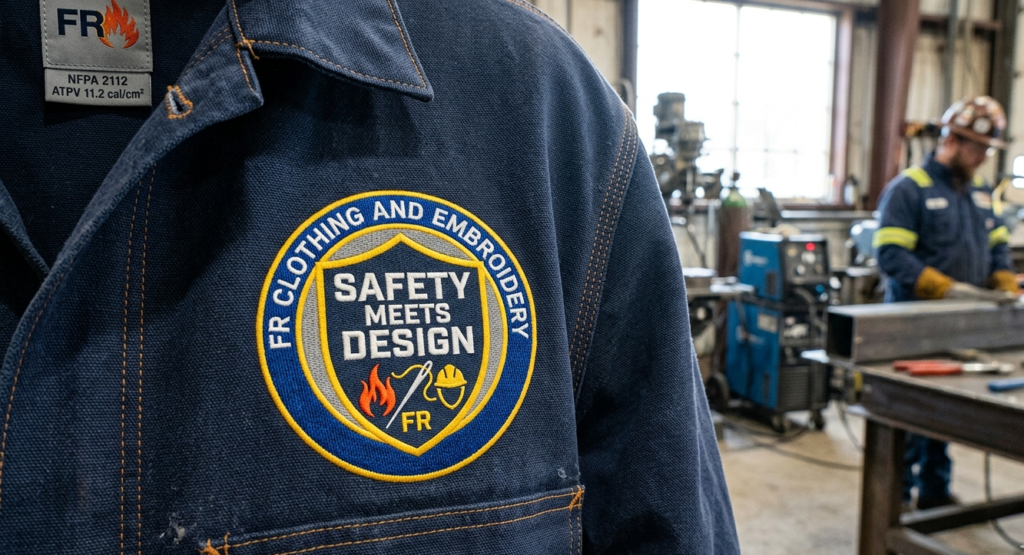
This is a common question for businesses that use FR clothing. The answer is yes, but it requires careful handling. Not all embroidery methods are suitable for flame-resistant garments.
FR clothing must maintain its protective properties. Adding embroidery should not reduce its safety performance. Therefore, special threads and techniques are used to ensure compliance.
For example, flame-resistant threads are often used during embroidery. These threads match the safety level of the garment. In addition, the placement of embroidery is carefully chosen to avoid affecting critical areas.
Balancing Safety and Design in Workwear
Combining FR clothing with embroidery requires a balance between safety and design. While branding is important, it should never compromise protection. Businesses must ensure that all modifications meet safety standards.
One way to achieve this balance is by working with experienced providers. They understand how to apply embroidery without affecting the garment’s performance. This helps maintain both safety and appearance.
Another approach is to keep designs simple and well-placed. Large or complex embroidery may not always be suitable for FR clothing. Simple logos often work best while keeping the garment functional.
Key Industries That Use FR Clothing with Embroidery
Many industries benefit from combining FR clothing with embroidery. This approach helps improve both safety and brand identity. Some of the most common industries include. Oil and gas companies use FR uniforms to protect workers in high-risk environments. Embroidery helps display company logos clearly. Electrical utilities rely on FR clothing to prevent injuries from arc flashes. Embroidered uniforms make teams easy to identify. Manufacturing industries use FR garments to handle heat and sparks. Branding through embroidery adds a professional touch.Construction and heavy industries also use FR clothing where fire risks exist. Embroidery helps create a unified team appearance.
Benefits of Custom FR Clothing with Embroidery
Custom FR clothing offers several advantages for businesses. It allows companies to combine safety with branding in a single solution. This makes it a smart investment for long-term use.
One major benefit is improved team identity. Employees wearing branded uniforms feel more connected to the company. This can boost morale and create a sense of belonging.
Another benefit is better brand visibility. Logos on uniforms act as mobile advertising. They help increase recognition both on-site and off-site.
Custom FR clothing also ensures a proper fit and design. Businesses can choose styles that match their needs. This improves comfort and usability for workers.
Things to Consider Before Choosing FR Clothing with Embroidery
Before selecting FR clothing with embroidery, businesses should consider several factors. Safety should always come first. The garment must meet all required standards.
Material quality is also important. High-quality fabrics provide better protection and last longer. This reduces the need for frequent replacements.
Embroidery techniques should match the garment’s safety requirements. Using the wrong method can reduce effectiveness. Therefore, it is important to work with experts.
Placement of the design is another key factor. Logos should be placed in areas that do not affect protection. This ensures the garment remains functional.
Common Mistakes to Avoid
- Many businesses make mistakes when combining FR clothing with embroidery. One common error is focusing too much on design. This can lead to choices that reduce safety.
- Another mistake is using non-FR threads for embroidery. This can compromise the garment’s performance. Always ensure that all materials meet safety standards.
- Poor placement of logos is also an issue. Large designs in critical areas can affect protection. It is better to keep designs simple and well-positioned.
- Ignoring industry regulations can lead to serious problems. Businesses must ensure compliance at all times. This helps avoid risks and legal issues.
Future Trends in FR Clothing and Workwear Design
The future of FR clothing is focused on innovation and comfort. New materials are being developed to improve protection while keeping garments lightweight. This makes it easier for workers to perform tasks. Sustainability is also becoming important. Many companies are looking for eco-friendly options in workwear. This includes using recycled materials and safer production methods.
In terms of design, customization is growing rapidly. Businesses want uniforms that reflect their identity. Embroidery continues to play a key role in this trend.
Technology is also influencing workwear. Smart fabrics and advanced testing methods are improving safety standards. This ensures better protection for workers in the future.
In End
FR clothing and embroidery may seem like two different elements, but they work well together when handled correctly. Safety remains the main priority, while embroidery adds a professional and branded look. Businesses that understand this balance can create uniforms that are both protective and presentable.
By choosing the right materials, techniques, and designs, companies can ensure that their workwear meets both safety standards and branding needs. As industries continue to evolve, the demand for smart and reliable workwear will only grow. Combining FR clothing with embroidery is a step toward safer and more effective uniforms.

















Leave a Comment
Your email address will not be published. Required fields are marked with *